
Palmetto Bay Previous Resident Sources
No single roll names every person who occupied a Palmetto Bay address. The best opening source depends on the time period and the question. The current parcel record leads into recent deeds. Earlier deed books extend ownership back before online coverage. Directories and census schedules add occupants, while permits establish when a structure existed or changed. The table keeps these different forms of proof in their proper roles.
| Source | Years It Covers | Where Held | What It Shows |
|---|---|---|---|
| Official-record index | Most records from 1974 onward | Miami-Dade County Recorder | Deeds, named parties, dates, CFN, book/page, and legal description |
| Earlier deed books and indexes | Before 1974 | Miami-Dade Records Library | Grantor and grantee chain by name, subdivision, lot, block, or book/page |
| City and reverse directories | Selected runs; South Dade coverage varies | MDPLS Main Library | Names, addresses, and sometimes spouse, work, or telephone details |
| Federal and Florida census | Federal through 1950; Florida 1935 and 1945 | NARA and MDPLS genealogy resources | Enumerated household members and relationships for covered years |
| Building and permit records | Village series mainly 2002 onward; older county files may exist | Village and Miami-Dade custodians | Construction, applicants, contractors, inspection dates, and alterations |
| Maps and local archives | Varies by collection | MDPLS, HistoryMiami, and State Archives | Property context, older place names, photos, plans, and local history |
For a recent sale, begin with Miami-Dade Property Search. For a family remembered at the address decades ago, ask the Main Library which directory years cover that part of South Dade. A source may prove title without proving residence. The owner mailing address and the property's situs, meaning its physical location, must be compared before any claim of owner occupancy.
Palmetto Bay Folios Hold the Trail
Every modern search should preserve the 13-digit Miami-Dade folio. It is the parcel identifier shared across property, GIS, permits, taxes, and related county work. Street labels can be abbreviated or normalized in different ways, but the folio keeps the exact parcel in view. Record the situs, owner mailing address, subdivision, and full legal description at the same time.
The Miami-Dade Land Management GIS supplies a map check. Select the parcel and compare its shape with the legal description and adjoining lots. A condominium or divided tract may have several folios under one street address, so matching only the building number can join the wrong chain. This identifier-first method is especially useful when learning who lived here before.
Note: A folio identifies land for county systems; it does not identify every person who occupied the property.
Walk Miami-Dade Deeds Backward
The Miami-Dade County Recorder is the main title source for previous residents research. Start at the current owner and follow each sale backward. The ordinary online index is most complete for documents from 1974 forward. Its search modes include party name, Clerk File Number, recording book and page, legal description, document type, and recording dates.
- Search the current address in the property roll. Save the owner, folio, legal description, sale reference, and both mailing and situs addresses.
- Find that owner's purchase deed. Record the grantor, grantee, CFN, book/page, execution date, recording date, and legal description.
- Search the seller as an earlier grantee. Confirm the same subdivision, lot, block, or plat before adding the transfer to the chain.
- Repeat the handoff. Common names are not enough; dates, co-parties, instrument references, and the land description must agree.
- When the trail reaches the online boundary, use the Records Library's indexes, public computers, staff search, mail, or in-person request channels.
- Grantor and grantee
- The grantor gives or sells an interest; the grantee receives it.
- Chain of title
- The linked sequence of recorded transfers for the same parcel.
- Legal description
- The subdivision, lot, block, plat, or survey language that identifies land even when a street label changes.
- CFN
- The Clerk File Number assigned to a recorded instrument.
Index data is a finding aid. The deed image can add consideration, addresses, signatures, notary details, and the complete land description. Recording and execution dates may differ. Copies cost $1 per page, certification adds $2, and a staff search is $2 per name for each year searched.
Cross Palmetto Bay's 1974 Divide
The 1974 cutoff marks an access change, not a loss of old deeds. The Miami-Dade Records Library holds all indexes and records. Its public computers accept party names in surname-first order, CFN, legal description, subdivision, lot, block, plat book/page, and official-record book/page. Mail and in-person copy requests remain available when the web search stops short.
A strong pre-1974 request includes the address, legal description, likely owner names, and a narrow year range. Asking only for a street number can fail if the source used a rural route, subdivision description, or predecessor place. Earlier Palmetto Bay-area records often sit under Dade County, the county's name before 1997. Search Cutler, Perrine, Peters, and South Dade as well as the modern village name.
Note: The Recorder's web boundary should never be described as the first year in which local land records exist.
Permits Date Palmetto Bay Homes
A permit adds a different sort of time stamp. It may name an owner, applicant, contractor, project, address, folio, permit type, issue date, status, inspection, or certificate of occupancy. Those names show involvement with the work, not residence. Palmetto Bay's Village-created series begins mainly with incorporation in 2002, while older county-jurisdiction files may remain with Miami-Dade.
Search by the most exact available key, such as permit number, property address, folio, lot, or subdivision. The Village permit search also supports applicant or owner surname, dates, status, contractor name, and license number. For a deeper file, request the building jacket, plans, owner authorization, inspection results, and code history. A Property Appraiser building jacket may include drawings, features, or photos, is not a same-day record, and does not contain a survey.
The Village's permit and plan records channel helps connect alterations to the deed timeline. A new roof, addition, or demolition may explain a value change, but it still does not prove who slept in the home.
Florida Archives Extend Address History
When local portals stop, archival catalogs can supply maps, photos, manuscripts, government series, and terms used before incorporation. The State Archives of Florida research service is one such fallback.
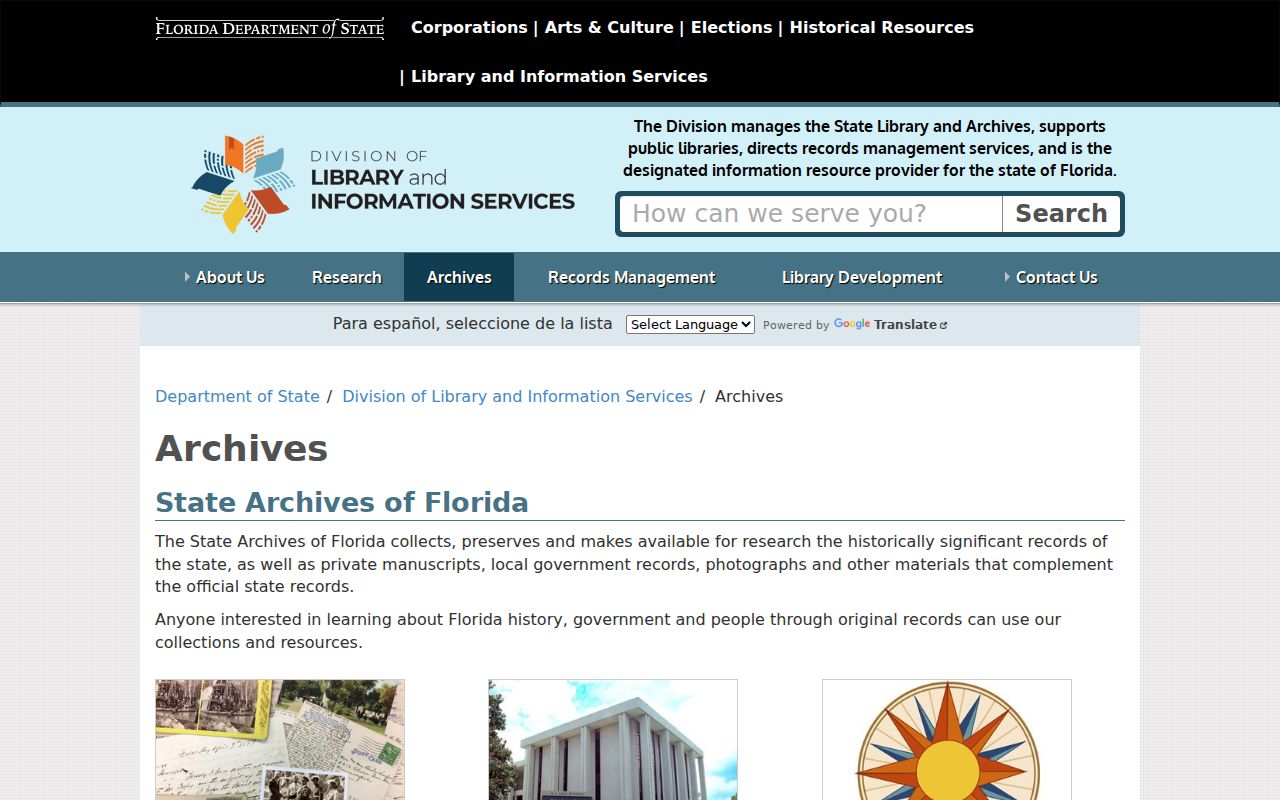
The captured archives gateway is useful as a starting point, but a catalog hit must still be tied to the parcel, historic place name, or family before it becomes part of an address history.
Search Palmetto Bay's Older Names
Palmetto Bay became a municipality on September 10, 2002. There can be no pre-2002 Village government record series. Older permits, elections, police work, plats, and local administration belong to Miami-Dade or predecessor-community files. This local history explains why a search limited to “Palmetto Bay” can miss the right address.
The Village's fourteen-site historical tour provides catalog terms grounded in local history. Perrine Land Grant, Town of Peters, Old Cutler Road, and Deering Estate at Cutler may retrieve sources that a modern place-name search overlooks. Keep both the current parcel identifier and the historic term in the research notes.
No authoritative source reviewed established a Village-wide street-renumbering date. If an old address fails, inspect the subdivision plat and parcel history. Do not invent a renumbering event to bridge the gap.
Palmetto Bay Households Beyond Owners
Ownership is only half the answer. Reverse directories, when a volume covers South Dade, may list an occupant by street and house number. Alphabetic entries may add a spouse, widow notation, occupation, business address, or telephone. Exact local shelf coverage is not published online, so ask the Miami-Dade Public Library System genealogy staff for years that bracket the date. The collection itself is treated in depth on the Palmetto Bay city directory page.
Build a worksheet with one row for each directory or census year. Copy the printed spelling and abbreviation key. Pair the 1935 and 1945 Florida censuses with the federal schedules, currently public through 1950. Then compare the address, household members, relationships, and nearby families. An absence may mean a move, spelling variant, rural-route format, delayed canvass, or a volume that did not cover the area.
- Ask for directory years just before and after the target date, then check both surname and reverse-street sections.
- Match the address to a public census schedule and retain the enumeration location, page, and household order.
- Compare deeds for owners and directories or census for occupants. Never substitute one category for the other.
- When a person disappears, search adjacent years, spouse and surname variants, the obituary index, and probate dockets.
The MDPLS obituary index contains more than 915,000 citations from 1896 through 2008. A citation leads to a newspaper notice, not always an image. The notice may link a former owner to relatives, while a probate file can name a personal representative or heirs in public filings. Death certificates and cause-of-death details follow separate Florida access rules.
Lawful use. Research previous residents for house history, family history, heirs, or personal curiosity. Florida Statute §784.048 does not permit using records to stalk, threaten, or harass a living person.